Handmade Gift Ideas for Beginners: How to Choose a First Project
Pick a first handmade gift by the skill you want to practice, the tools you already own and how the finished item will be used.

Tutorial at a glance
The most useful handmade gift ideas for beginners have three things in common: few pieces, forgiving materials, and a result with an obvious everyday use. A first project does not need to show off a skill. It needs to be finished, tidy, and suited to the person receiving it.
Choosing well comes down to three questions. Which basic skill are you most comfortable with, which tools are already in the house, and how will the finished item be used? Answer those in order and the list of possible projects shrinks to two or three sensible options.
Start with the Skill, Not the Object
It is tempting to pick the object first and work out the method later. That is how a first project ends up needing a zipper, a curved seam and a tool you do not own. Reverse the order. Decide what kind of making you are willing to practice, then choose an object that uses only that.
A good first project has straight cuts, no more than three or four pieces, and a material that hides small mistakes. Craft felt and fleece do not fray, so their cut edges can stay raw. Cardstock holds a crease and can be recut from a fresh sheet if a fold goes wrong. Quilting cotton is easy to mark and sew, but it frays, so every edge has to be enclosed in a seam or a hem. That one difference decides how much work a fabric project really involves.
The Four Families of Beginner Projects
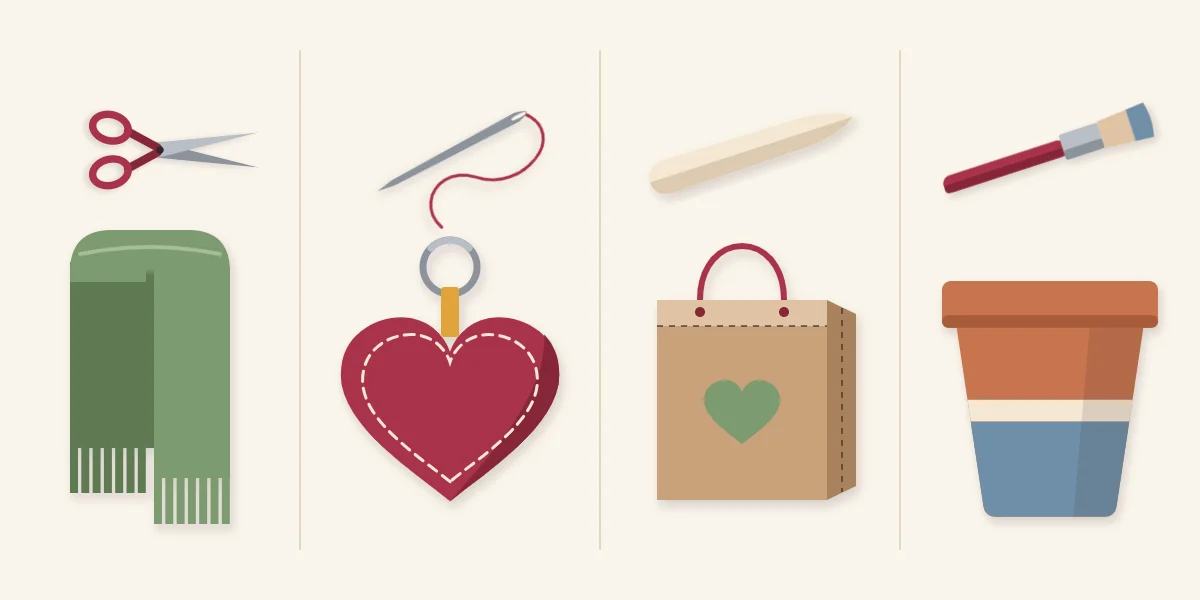
Nearly every simple handmade gift falls into one of four families, and each has one key tool.
- No-sew. The key tool is a pair of sharp scissors. Projects rely on cutting, knotting or gluing a fabric that does not fray. Accuracy in measuring matters more than any technique.
- Hand sewing. The key tools are a needle and thread. Small felt items need only one or two stitches, worked slowly. Uneven stitches are the usual first problem, and they improve with a practice row on a scrap.
- Paper. The key tool is a bone folder, used with a ruler to score a line before folding. Paper projects reward precision: a fold that is slightly off shows in the finished piece.
- Paint. The key tool is a small brush. Painting is forgiving while the paint is wet and unforgiving once you rush a second coat over a first that has not dried. Patience is the skill here.
Match the Project to the Tools You Own
The table below pairs each family with the skill it practices, the tools it needs, and a first project from this site. Read across the row for the tools you already have and start there.
| Project family | Skill practiced | Tools needed | A first project |
|---|---|---|---|
| No-sew | Measuring and cutting straight | Fabric scissors, ruler, chalk or a water-soluble fabric marker | Fringed fleece scarf |
| Hand sewing | Whipstitch or blanket stitch on felt | Needle, embroidery floss, small scissors, pins | Stuffed felt keychain |
| Paper | Scoring, folding and gluing | Paper scissors, ruler, bone folder, glue stick | Paper gift bag |
| Paint | Even coats and masked lines | Acrylic paint, flat brush, masking tape | Painted terracotta pot |
If two rows look equally possible, pick the one that needs nothing new. Buying a full kit before finishing a single project is the most common way a first gift never gets made.
Tip
Keep one pair of scissors for fabric and another for paper. Paper dulls blades, and dull blades chew fleece and felt instead of cutting them cleanly.
Think About How the Gift Will Be Used
A handmade item earns its place when it fits into an existing routine. Before settling on a project, write down a few plain facts about the person: whether they read paper books, keep houseplants, sew, carry a bag every day, or work at a desk. Then match the object to one of those facts.
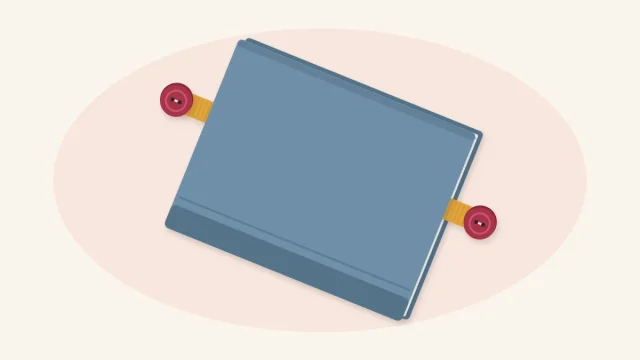
- A bookmark suits someone who reads paper books rather than a screen.
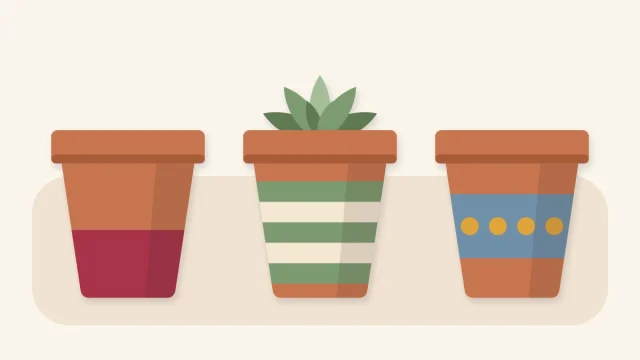
- A painted pot suits someone who already keeps plants and has a windowsill for one more.
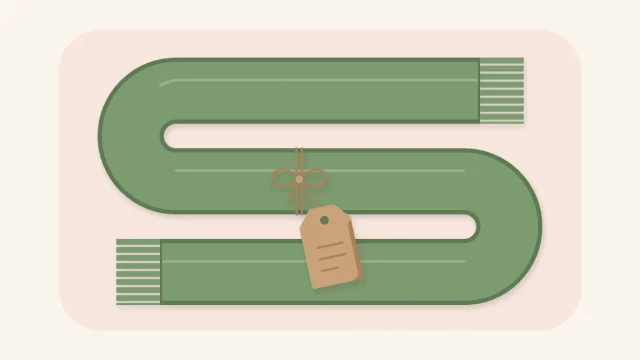
- A scarf suits a cold climate and a person who wears casual outerwear.
- A keychain is small enough to suit almost any adult, but its split ring and small parts make it unsuitable for a young child.
Use also decides the material. Something handled daily needs sturdy stitching and a fabric that tolerates wear. Something that sits on a shelf can be more delicate. If the item may need washing, choose fabrics that come with care instructions and pass those instructions on.
Keep the First Project Small
Small projects use little material, so a second attempt is easy to manage when the first goes wrong. They also reach the finishing stage sooner, and finishing is where a gift starts to look deliberate: trimmed threads, pressed seams, clean edges.
Three habits make a noticeable difference at any skill level:
- Make a test piece. Cut one practice shape from a scrap and try the stitch, fold or paint on it before touching the good material.
- Measure twice. Mark every cut with a ruler, check it, then cut. Most crooked results begin with an unmarked cut.
- Stop at simple. One color of thread, one pattern, one decoration. Extra details multiply the chances of a visible mistake.
Watch out
Glue, paint and sealers all need to dry or set fully before an item is wrapped. Products vary, so follow the label on the one you are using and plan the project around that wait.
What to Leave for Later
Some features look simple and are not. Zippers, buttonholes, curved seams, lined bags with boxed corners, and anything that must fit a body are better as third or fourth projects. The same goes for gifts in large sets: six matching items multiply every step by six, including the mistakes.
Personalizing is also worth postponing by one project. An embroidered or stenciled initial is permanent, so it is easier to attempt once the base item no longer feels difficult.
Moving On to a Second Project
After one finished gift, build on the same family before switching. A second no-sew piece or a second felt shape goes faster and looks cleaner because the cutting and stitching are familiar. Then cross over: add a hand-sewn item if you started with paper, or try paint if you started with fabric. Within three or four projects you will have used most of the basic tools on this site and will know which kind of making you prefer.
Frequently asked questions
What is the easiest handmade gift for a complete beginner?
A no-sew project in a fabric that does not fray, such as a fringed fleece scarf, is one of the simplest starting points. It needs only scissors, a ruler and careful measuring. A small felt item sewn with one stitch is a good next step.
Is a sewing machine needed to make fabric gifts?
No. Small felt and cotton projects can be sewn by hand with a needle and thread. Running stitch, backstitch, whipstitch and blanket stitch cover most beginner projects, and a machine only becomes useful for longer seams.
Which is better to start with, a paper project or a fabric project?
Look at the tools you already have. If you own paper scissors, a ruler and a glue stick, start with paper. If you have a needle, thread and fabric scissors, start with felt, which needs no hemming.